
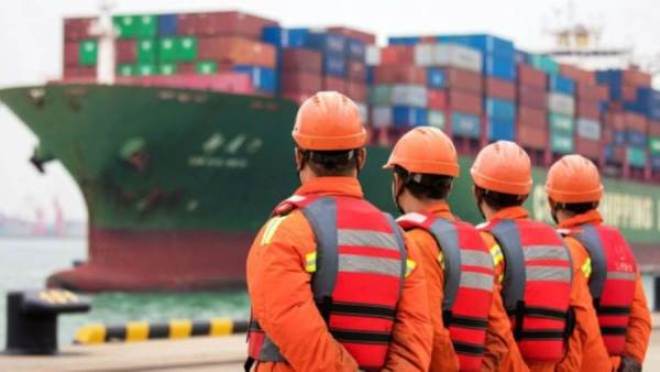
China’s steelmakers, the world’s largest producers, continue to show signs of improvement thanks to government efforts to reduce overcapacity, while exports have remained strong despite mounting trade restrictions. Last year, most mills suffered losses due to the property sector crisis, one of the key drivers of demand. This year, however, conditions have begun to improve as losses narrowed and company executives became less pessimistic about the industry’s outlook.
Falling Production Costs Boost Margins
Ding Yang, senior analyst at Kallanish Commodities, noted that profit margins in the steel sector have widened as raw material prices—particularly thermal coal and coking coal—declined faster than steel prices. He added that production curbs have also contributed to the recovery, pointing out that nearly all mills are seeking to further reduce costs in the second half of the year. These developments reflect China’s push to rein in excess capacity in key industries and curb excessive competition that has eroded profits and driven deflationary pressures. As a result, steel output in July fell below 80 million tons nationwide, the lowest level for that month since 2017.
Major Producers Cut Losses
Earnings reports released this week showed that Maanshan Iron & Steel and Angang Steel narrowed their losses, while Baoshan Iron & Steel—the listed unit of the world’s largest steel producer—posted a 7% increase in first-half net income.
Exports Support Performance Despite Challenges
Lower raw material costs have partly boosted profitability, while exports remained steady at around 10 million tons per month, despite protective tariffs imposed in many markets. Company forecasts, however, were mixed: Maanshan said it aims to return to full-year profitability, while Baosteel warned that trade barriers could weigh on exports, even though they have been a key driver of profits so far.
Improvement in Futures Markets
In commodity markets, hot-rolled coil futures on the Shanghai Futures Exchange rose 0.3% to 3,359 yuan per ton after hitting their lowest close since 2020 in June. Rebar futures also gained 0.2%, alongside rising iron ore prices in both the Dalian and Singapore exchanges.